
Two days at Macquarie's Junior Science Academy: An honest parent review

written: July 15, 2026
Published: August 19, 2026
This winter school holidays in Sydney, I took on a challenge: three weeks of activities, fully planned, for my five-year-old daughter. I'm documenting the ones worth sharing, the honest experience, the practical details, and what each day quietly built in her. This post: two days at Macquarie University's Junior Science Academy, and the moment my daughter started calling it "my university."
I booked Penelope into two full-day programs at Macquarie's Junior Science Academy: Scratch Junior (K–1 coding) and Let It Grow (K–1 gardening science). Her best friend joined for both, and from the moment they knew, the anticipation was its own event: two kindergarten girls announcing to anyone who'd listen, "We're going to university!"
That sentence is why I chose this program, and it's also where my one piece of honest feedback lives. But first, the days themselves.
{{Paired-Images-1}}
What the days looked like
The logistics are genuinely well designed for working parents: drop-off from 8:30am, program from 9:30am, pick-up between 4pm and 5pm, a real full day. Booking through the Macquarie website was smooth (ticketing via Eventbrite), at around $135 per day. Beyond the headline activities, the children also had games, colouring and Lego woven through the day, so there was no dead time.
Scratch Junior introduced the girls to visual block coding, building sequences, adding characters, and programming little scenes.

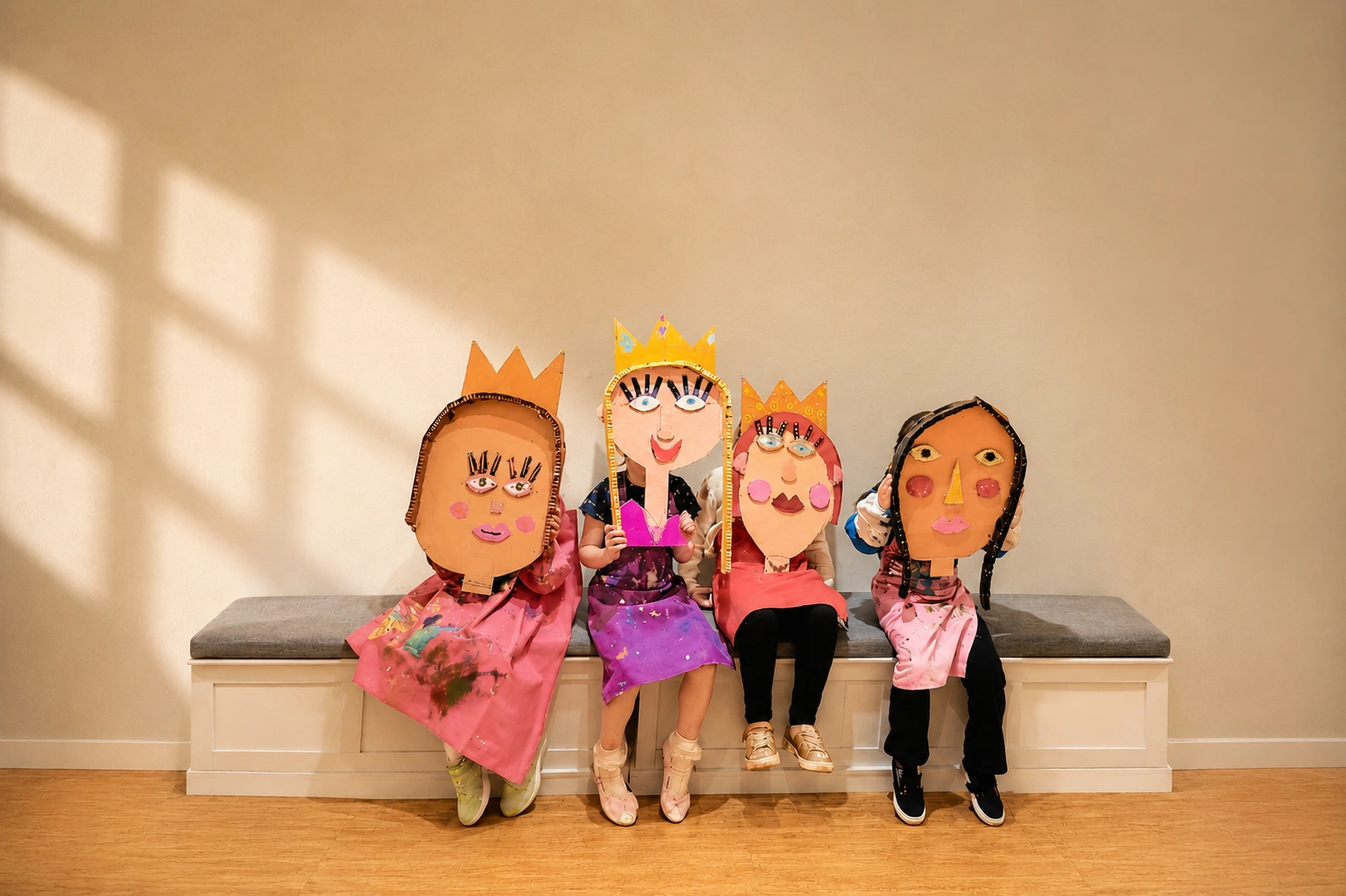
Let It Grow covered the science of how things grow: rainbow roses, a garden scavenger hunt, why leaves change colour, growing herbs. Penelope came home from the second day with a grass head to grow at home, a pink Dahlia that was originally white and they made it pink through experiments and a new fascination with the science under our garden.
{{Paired-Images-2}}
A touch I particularly appreciated: after each day, parents received a one-page summary of what the children learned, including suggested questions to ask your child ("How did you make your white rose change colour?"). It turned dinner time into a conversation instead of the usual "it was good." More programs should steal this.
She was in a new environment, away from her school, among new children, and after day one she was already asking to go back. There was one small incident (a best-friend iPad collision, as happens with five-year-olds), and the care was exemplary: someone dedicated to watching over her wellbeing, and communication to me that was timely and clear. Safe, structured, warm.
The honest critique
Two things, offered constructively, because this program deserves to be even better than it is.
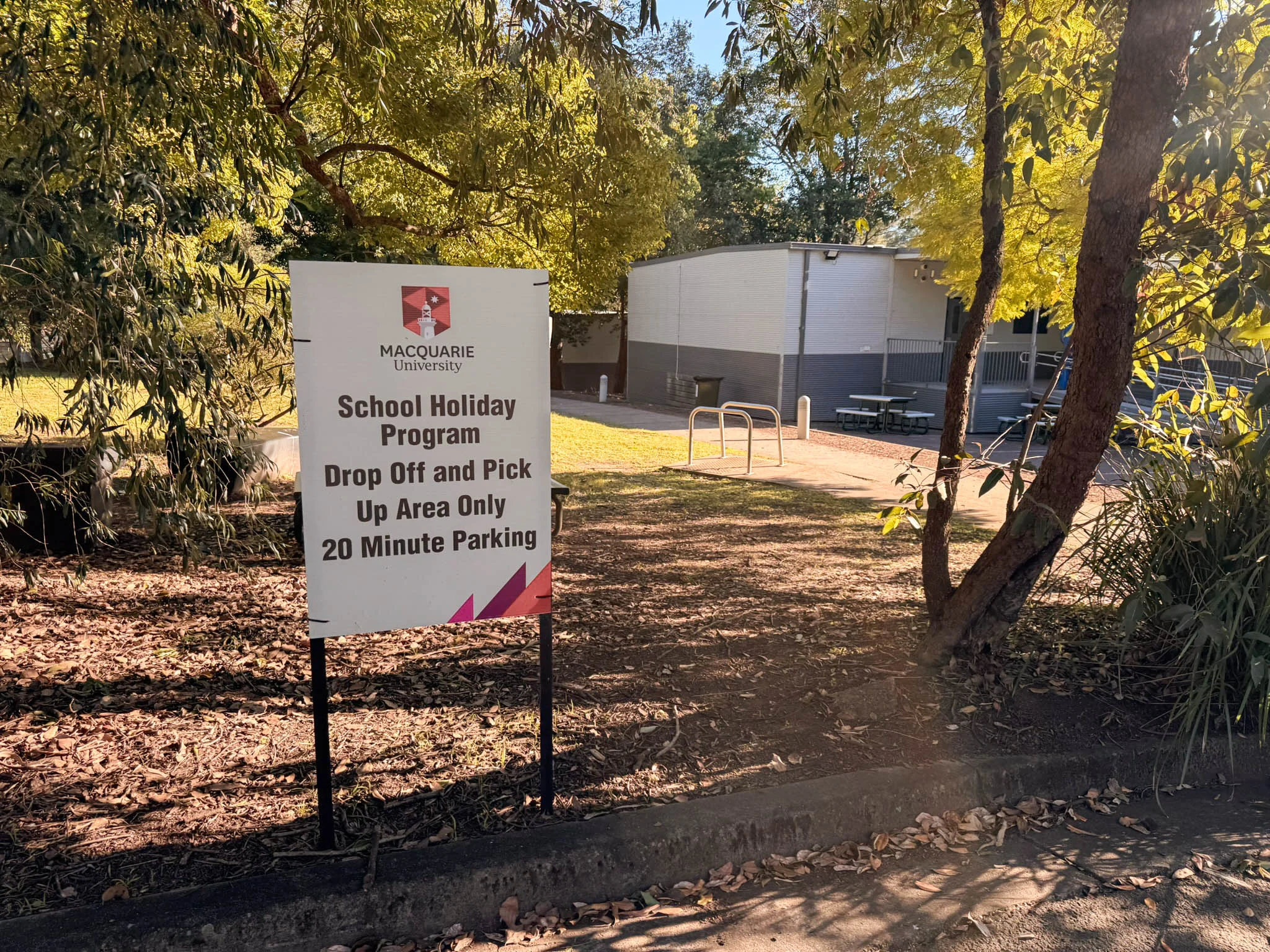
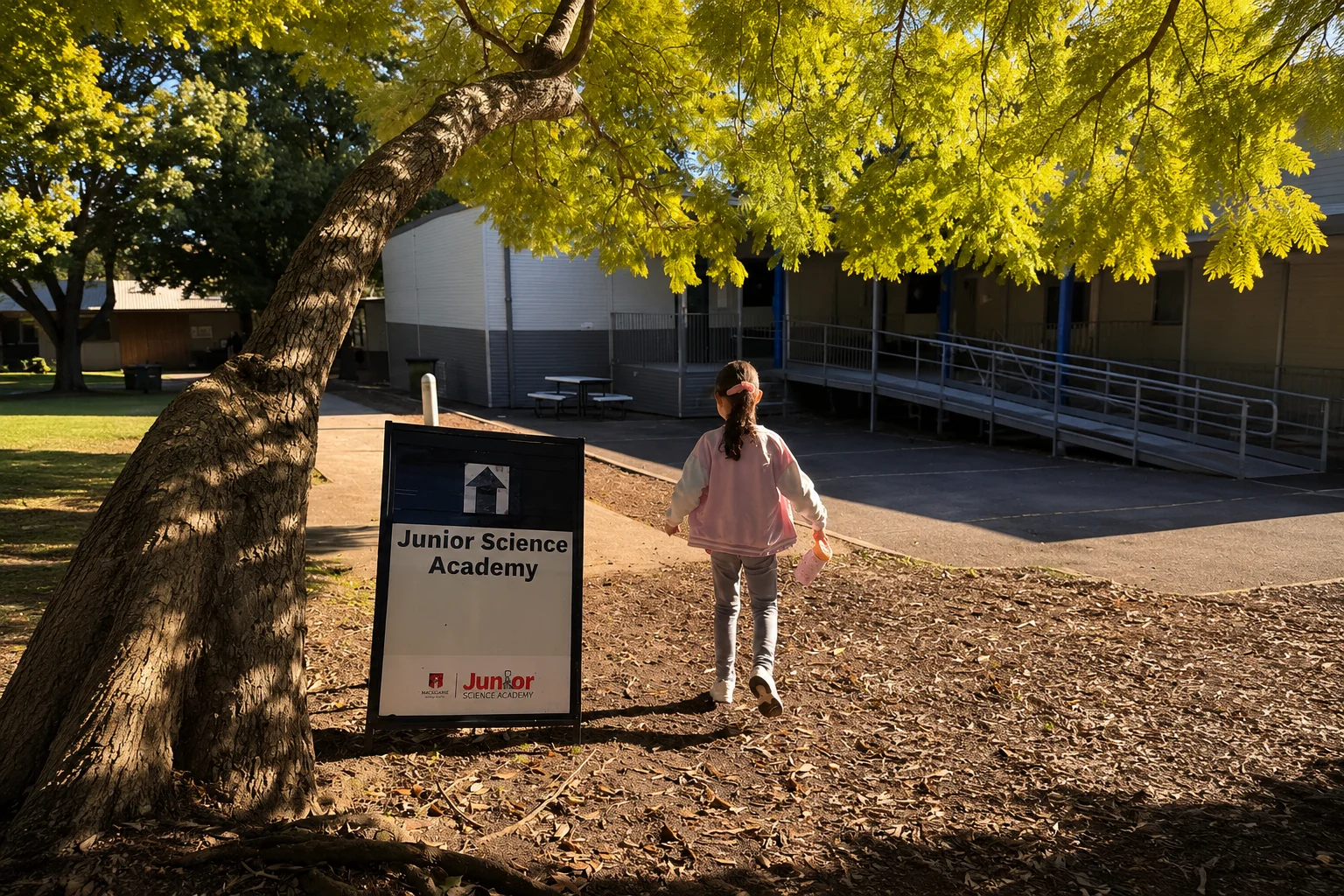
The setting. The program runs in a dedicated area adjacent to the campus, it is safe, purpose-built, with easy parking. I understand completely why: safety and logistics for young children. But the girls were dreaming of walking into a university building, and that never happened. University buildings have power. They make a child feel bigger, make the future feel real. Even one supervised walk through campus would transform the experience from "holiday care near a university" into "the day I went to university."
The branding. Penelope received no certificate, nothing with the university's name to take home. Compare that to a single morning of horse riding at Glenworth Valley, which ended with a beautiful certificate that now lives proudly at home. A Macquarie-branded certificate for each completed day would cost almost nothing and mean everything: I went there. I finished something. The program organisers are sitting on an aspiration-building machine and using perhaps half of it.
Because here's what happened anyway, despite the missed opportunities: Penelope has started talking about going to university after high school. And this Saturday, driving through Macquarie Park, she spotted the campus and announced, "Hey mum, that's my university."
Two days. That's all it took for a five-year-old to write herself into that story. Imagine what the program could build if it leaned into this deliberately.
The practical notes
- What: Junior Science Academy holiday programs STEM and art streams, by school year level (ours were K–1)
- Cost: About $135 per day, booked via the Macquarie website with Eventbrite ticketing
- Hours: Drop-off from 8:30am, program 9:30am, pick-up 4–5pm
- Location: Dedicated, secure program area adjacent to the Macquarie campus, with parking
- Communication: Excellent, timely updates, plus a daily one-pager on what your child learned and how to talk about it
- Book early: Spots sell out fast. Tickets for the spring holidays open 1 September, and there's a December program too, set a reminder!
- Verdict: Highly recommended, and we'll be back any holidays we're in Sydney
Field notes from a mother who believes the holidays are never just holidays.