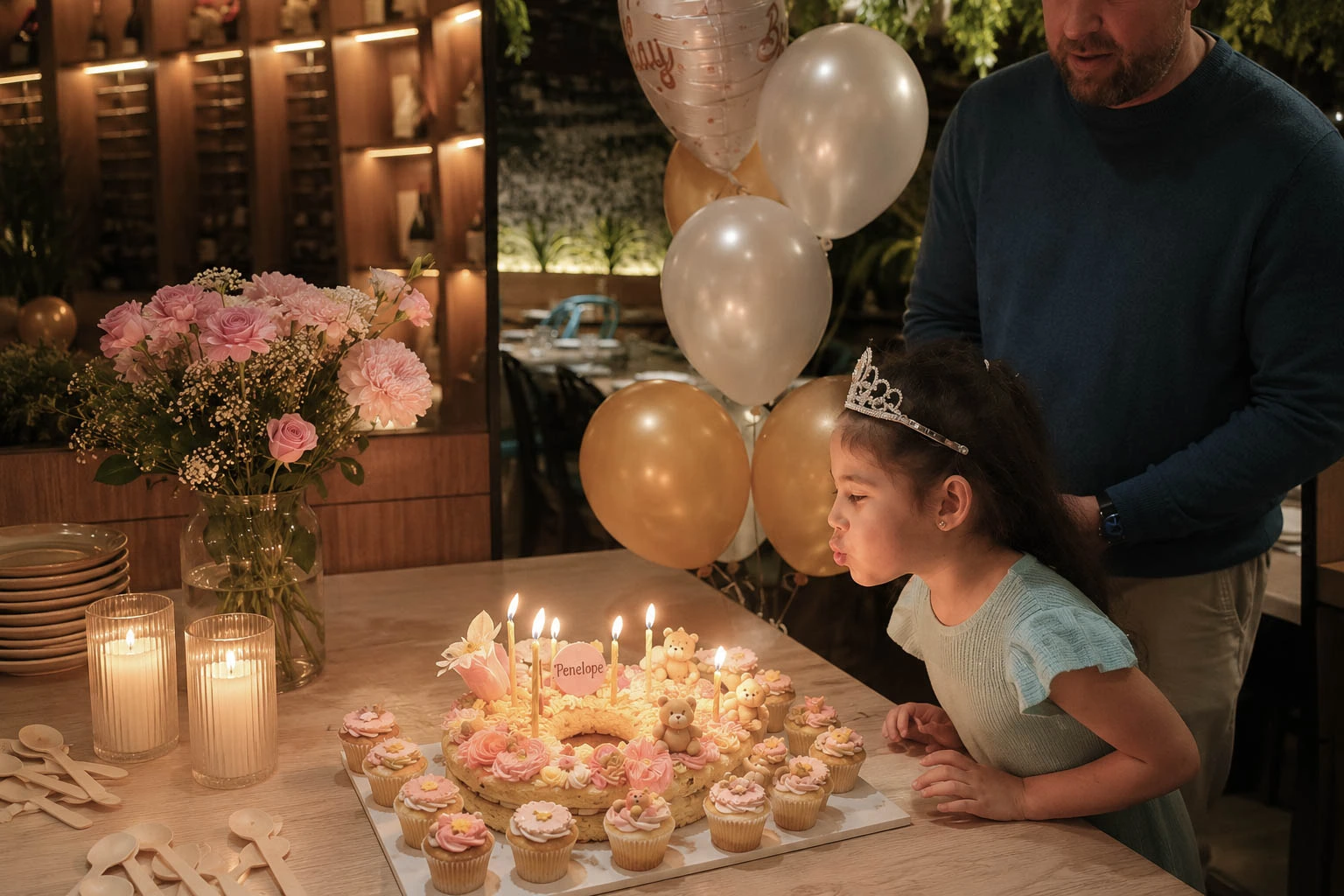

The red shoes and the purple ones

written: July 8, 2026
Published: September 7, 2026
At the start of this school term, Penelope (my six years old daughter) got two pairs of sport shoes. White ones she had wanted for a while, and red ones that I loved, and that matched her uniform perfectly. She was excited about both, and she wore the red ones to school with real pride.
And then one day she came home and said she did not want to wear them anymore. I look like a clown, she said. She has kept saying it since.
I did not fully understand what had happened to change her mind. I understood it today, at the gym.
{{Section-break}}
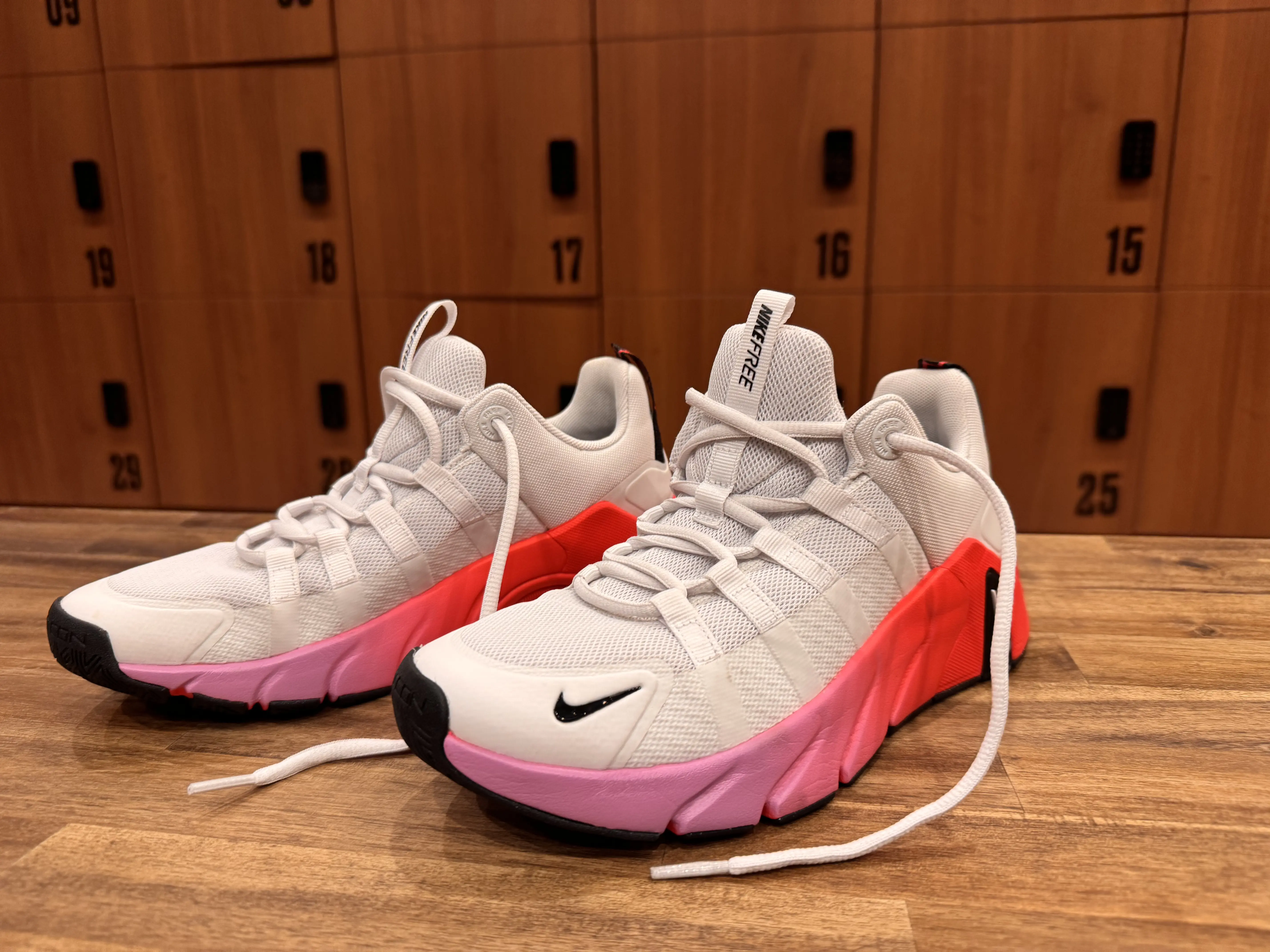
This is my third week back at a gym, in the middle of rebuilding something for myself after the company changed hands. In the first week, full of enthusiasm, I bought two pairs of shoes, one for running, and one for the gym floor, white on top with a sole in purple and orange. I loved them immediately. They were cheerful and a little bold and completely mine.
Today, for the first time since I started, I actually looked around the gym floor.
Every other pair of shoes was black, white, beige, or some quiet variation of grey and nude. A little gold here and there if someone was feeling daring. Nothing close to purple. Nothing close to orange. I was, as far as I could tell, the only person in the entire gym wearing colour.
I felt it immediately, a small, specific intimidation. The awareness of being the different one. The instinct, however brief, to wish I had worn something more ordinary.
And in that exact moment, I understood Penelope completely.
She was not embarrassed by her shoes. She was responding, accurately, to the unspoken instruction that surrounded her: blend in, do not be the one who stands out, match the room rather than yourself.
{{Section-break}}
Australia has a name for this. Tall poppy syndrome; the cultural instinct to cut down anything that grows taller than the rest of the field. It shows up in big, obvious ways, in how achievement and success are sometimes treated with suspicion rather than celebration. But it also shows up in small, ordinary ways, in a gym full of black and beige, in a six-year-old deciding her red shoes make her look like a clown.
Nobody told Penelope to feel that way about her shoes. Nobody told me to feel a flicker of self-consciousness about mine. The instruction is ambient. It is in the room before anyone speaks. You absorb it by looking around and noticing what everyone else has decided is acceptable, and then quietly adjusting yourself to match.
I have spent a lot of this year writing about exactly this mechanism; the water that gets into everything, the formation that operates before anyone names it, the rooms that decide things before you have said a word. I did not expect to feel a small, personal version of it over a pair of gym shoes. But there it was, completely recognisable, the moment I actually looked around.
{{Section-break}}
Here is where Penelope and I differ, at least for today.
She has put the red shoes away. I do not think that is wrong of her, she is six, and the social pressure of a school playground is real and not something to dismiss. But I noticed something in myself, standing on that gym floor, that I want to hold onto and eventually pass back to her.
I bought those shoes in my first week, before I had seen what anyone else wore, purely because I liked them. They were never about trends or fitting in. They were a real, unconsidered expression of what I actually like. And today, feeling the flicker of wanting to disappear into the beige, I made a different decision than the one I felt the pull toward.
I kept wearing them.
Not out of defiance, but because the alternative of changing myself to match a room that nobody actually asked me to match, felt like exactly the kind of quiet shrinking I have spent this whole year trying to stop doing. I have done enough of that in boardrooms. I was not going to start doing it on a gym floor over a pair of shoes I genuinely love.
If that means standing out, I would rather stand out than disappear.
I hope, eventually, Penelope puts the red shoes back on. Because the instinct that took them away deserves to be questioned rather than simply obeyed. I cannot make that decision for her. But I can keep wearing my purple and orange shoes where she can see me do it, and let that be its own process of teaching.
Tall poppies get cut down because they are visible. The alternative; staying small enough never to be noticed, is not actually safety. It is just a different type of cost, paid quietly, one pair of shoes at a time.
I would rather pay the first cost than the second.
— Sabrina