

The three anchors of high-performance leadership

written: January 15, 2026
Published: April 30, 2026
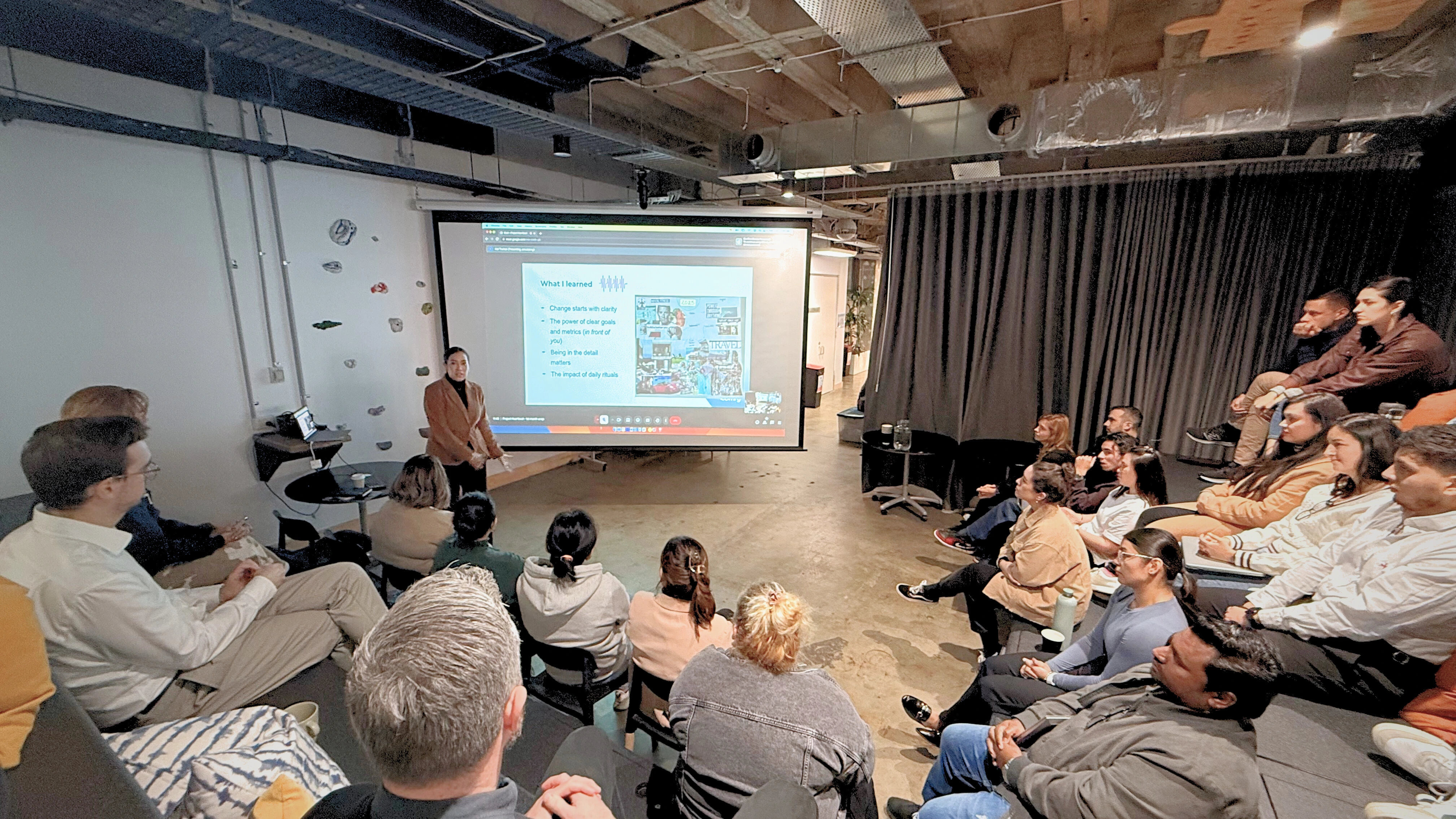
It started with a question I’ve been getting more often lately from founders, operators, leaders in transition: what really matters when it comes to building high-performance teams?
After ten years in the trenches, working with hundreds of people and scaling a company through different phases of growth, I keep coming back to three core anchors. These are the elements I believe every leader must intentionally cultivate, especially in the fast-moving, ever-evolving environments of startups and scaleups.
1. Clarity
There is nothing more vital than clarity. When people are clear on their roles, responsibilities, what’s expected of them, and what success actually looks like, they perform differently. They show up with energy. They know what a good day feels like. They understand the “why” behind their work.
And yet, in scaling companies, clarity is often the first thing to erode. Change moves faster than communication. What was once clearly defined becomes blurry. Team members who were once energised slowly lose focus, motivation, and direction. They’re still showing up, but not at their highest capacity.
Clarity isn’t just about job descriptions. It’s about aligning every person to the company’s vision, goals, and daily actions. It’s the antidote to wasted potential. Without it, even your top performers can become disengaged. And as leaders, that loss of momentum has a real cost, in energy, time, and money.
2. Connection
The second anchor is connection. A high-performance culture isn’t just about outcomes. It’s about belonging. People do their best work when they feel seen, appreciated, and trusted. When they can build friendships, not just working relationships. When there’s space for laughter, for collaboration, for moments that remind them that work is also life.
Strong connection creates trust. And trust creates movement. As leaders, it’s our job to actively build that environment, not just hope it happens organically. Recognise the extra effort. Encourage cross-team involvement. Check in often, not just when there’s a problem. These micro-moments of connection fuel long-term commitment.
3. Consistency
The last piece, and perhaps the hardest, is consistency. Leadership is not about grand gestures. It’s about what we do every day. How we communicate. What we prioritise. How we show up, especially when things get hard.
Consistency is what builds trust over time. It creates stability in environments that are anything but stable. It signals to your team that they can count on you, not for perfection, but for presence.
From the rhythm of your meetings to the way you acknowledge wins (and misses), to the clarity you reinforce every single day. Consistency is the invisible thread that holds high-performance together.
These three anchors: clarity, connection, consistency, are not revolutionary ideas. But when practiced deeply and intentionally, they change everything.
I’ll be writing more about each of these in future entries, going deeper into how I’ve learned to operationalise them and where I’ve stumbled.
What anchors your leadership right now? And what might shift if you brought more clarity, connection, or consistency into your team this week?