
The ones who stayed standing

written: July 23, 2026
Published: September 7, 2026
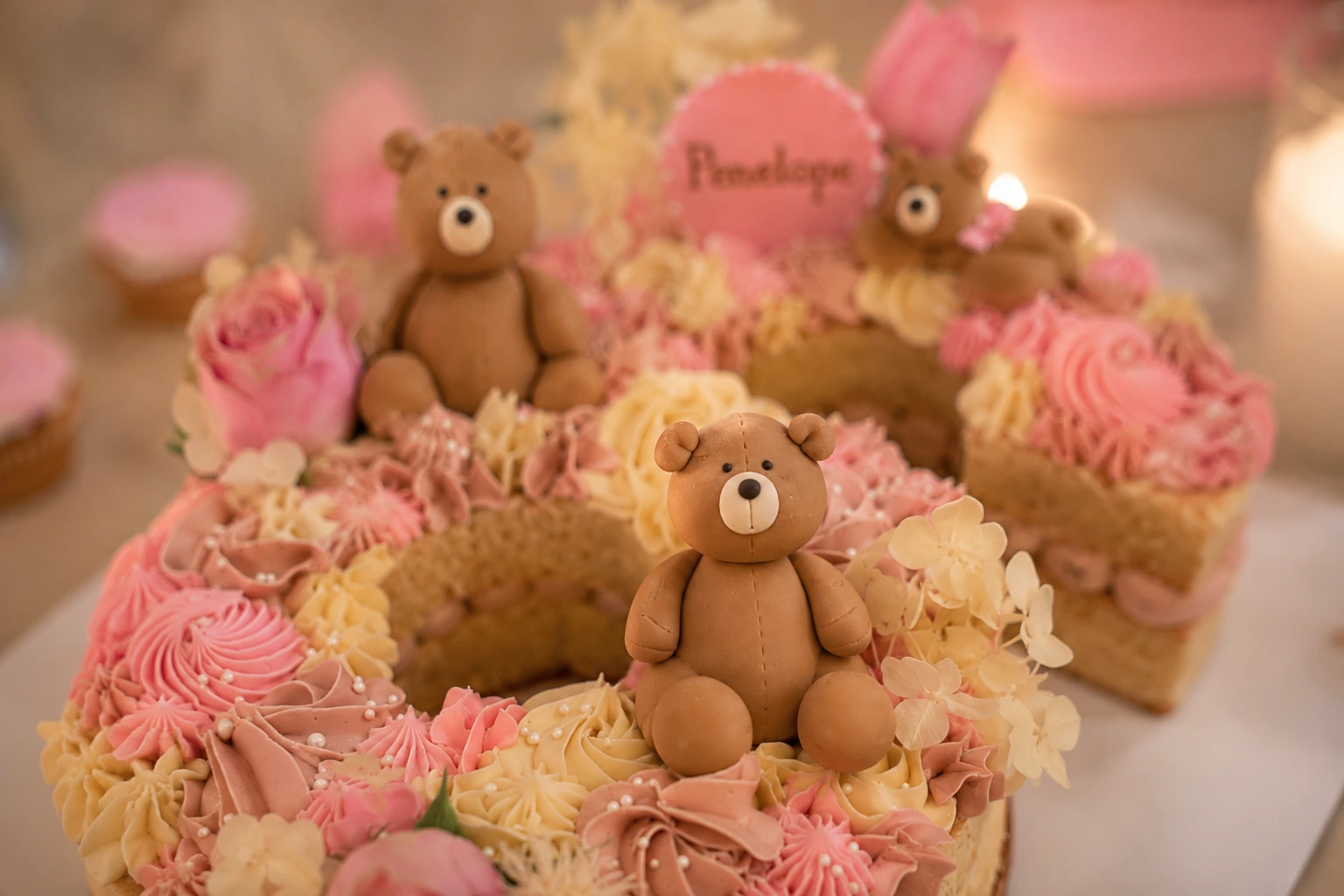
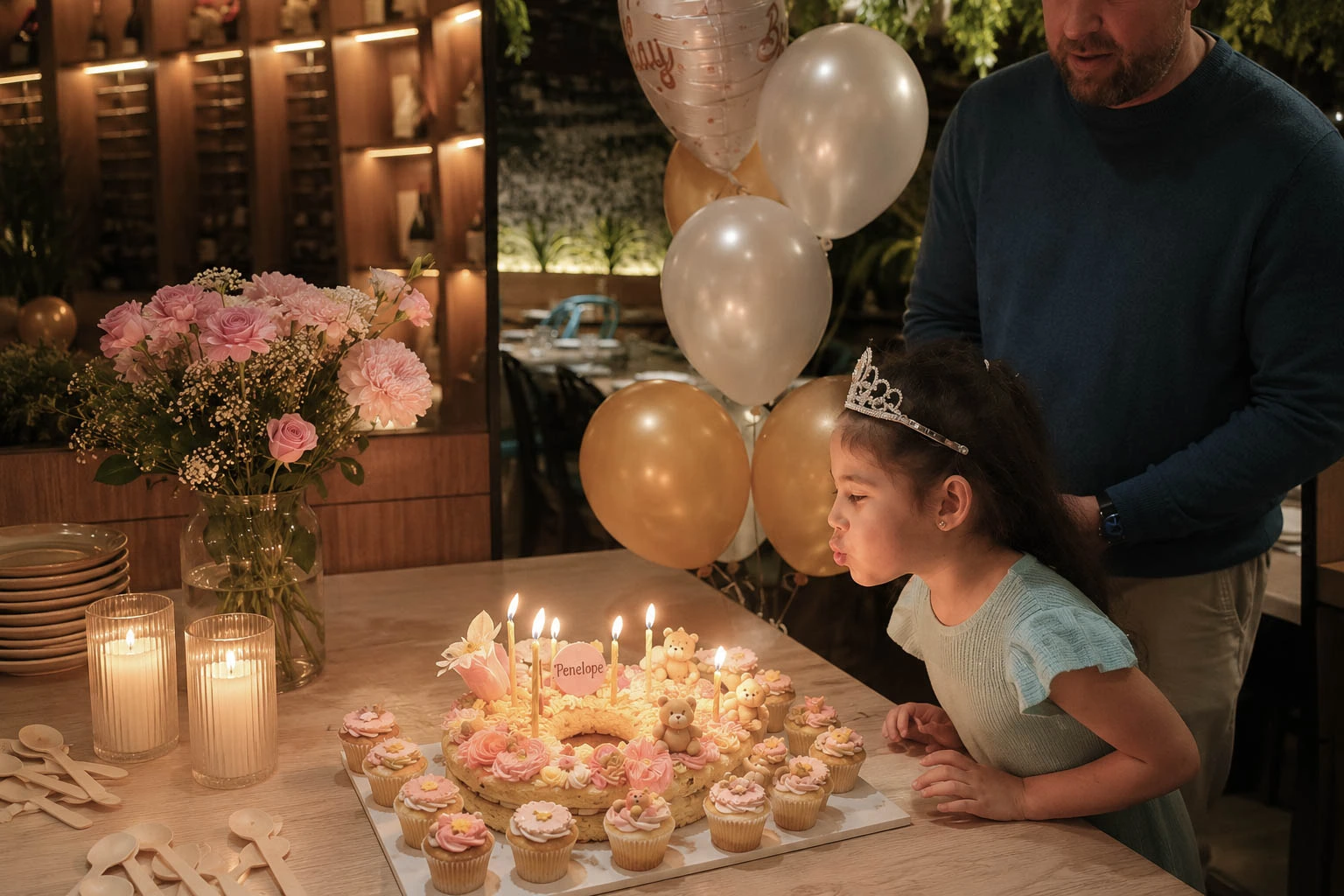
The birthday cake had three teddy bears on top. Decorative ones, small, beautiful, perched between the candles. And as soon as the cake appeared, I could see five girls clock them simultaneously with the specific focus of children who have identified something they want.
I had three bears. Five girls who wanted them. I decided, in that moment, to say nothing, to simply wait and see what happened, and to give the bears to whoever was still standing when the cake was served.
Three of the girls planted themselves directly in front of me and did not move!. For twenty minutes, through the singing, through the serving, through the general chaos of thirteen six-year-olds at a birthday party, they stood there. Taking turns asking. Trying different approaches. Being very polite. Being slightly less polite. Asking again. Looking at me with the particular intensity of people who have decided that the answer they want is available if they simply do not leave.
The other two girls asked once or twice and then drifted away. Maybe they decided the bears were not worth it. Maybe they felt self-conscious about continuing to ask. Maybe they simply ran out of persistence before I ran out of patience.
The three who stayed got the bears.
It wasn’t because they were more deserving or because they asked more cleverly. They got them because they were still there. Still asking. Still committed to the outcome twenty minutes after most people would have moved on.
{{Section-break}}
These girls left me thinking.
Because what they demonstrated without knowing they were demonstrating anything, is something that adults consistently underestimate and frequently abandon too early. The willingness to stay standing. To ask again after the first no. To remain present and committed to an outcome even when the person holding the thing you want has not yet moved.
We are taught, somewhere along the way from six to adulthood, to read the first no as a signal about the final answer. To equate persistence with being difficult. To decide that asking again is somehow less dignified than accepting the first response and walking away.
But the first no is often not the final answer. It is sometimes genuinely final, and wisdom includes knowing the difference. But very often the first no is simply the default response, the path of least resistance, the answer that requires nothing of the person giving it. And the person who stays, who asks again, who makes clear through continued presence that they are serious about what they want, that person frequently gets a different answer than the one who accepted the first.
The first no is not always the final answer. Sometimes it is simply the answer that gets given to people who do not stay standing long enough to receive a different one.
{{Section-break}}
I want to be careful here, because persistence without discernment is not a virtue. There are situations where the first no is absolutely the final answer, and staying standing in those situations is not strategy, it is refusal to read reality. Part of becoming good at asking for what you want is developing the judgment to know which situation you are in.
But I think most people (myself included, at various points) are much further toward accepting not too quickly than toward asking too persistently. We are socialised, women especially, to take up as little space as possible in our asking. To make our requests small and infrequent. To receive the first no gracefully and retreat, because retreating is polite and persistent asking is uncomfortable.
The girls at the birthday party had not yet learned that lesson. They had not yet absorbed the message that asking repeatedly is somehow less appropriate than asking once. They simply wanted the bears, and they stayed until they got them, and they tried every approach available to them without apparent embarrassment about any of it.
There is something in that I want to hold onto. Not the tantrum, I am not recommending the tantrum, but the fundamental willingness to stay in the ask. To not equate the first no with the final answer. To remain present and committed and to try again, in a different register if necessary, until the situation genuinely resolves.
{{Section-break}}
I have been in situations recently where I accepted the first no too quickly. Where I deferred to the authority of the person saying it rather than examining whether that no was actually final. Where I retreated because retreating is easier than continuing to stand in a difficult ask.
The birthday party reminded me of what I already knew and had temporarily forgotten.
The ones who get what they want are not always the most talented, the most qualified, or the most deserving. They are often simply the ones who were still asking when everyone else had stopped.
Stay standing. Ask again. Try a different approach if the first one does not work. Know when the answer is genuinely no, and keep asking until you are certain it is.
Three six-year-olds taught me that on a Wednesday afternoon over a birthday cake.
I am taking the lesson.
— Sabrina